Salone del Mobile 2026: Environmental Atmosphere and Spatial Identity
Maral Mirzai, RID, NCIDQ
April 26, 2026
After spending the week moving through Salone and Fuorisalone across Milan, what stayed with me most was how strongly many spaces depended on sequencing and environmental calibration. Compressed circulation paths opening into quieter rooms. Transitional thresholds slowing movement between spaces. Acoustically softened interiors that shifted the perception of scale almost immediately upon entering. Several presentations relied heavily on pacing through the interior, particularly in the way proportions, surface density, and transitions between materials were managed from one room to another.


Material direction across Milan felt particularly focused this year. Smoked glass, oxidized finishes, textured stone, mineral surfaces, and woven materials appeared repeatedly, often assembled within tightly related tonal ranges. Surface irregularities and visible aging remained exposed within many compositions. In several interiors, texture influenced the reading of depth and proportion more strongly than color itself. Certain spaces became clearer over time as daylight shifted across surfaces and reflections changed while moving through the room. Many projects flattened considerably once reduced to photography.


Fuorisalone carried much of the architectural weight of the week for me. Some of the strongest presentations were placed inside aging palazzos, monasteries, industrial courtyards, galleries, and temporary architectural occupations dispersed throughout the city. Existing architectural conditions continuously shaped the perception of the work. Ceiling height variation, compressed entry sequences, filtered daylight, aging stone, and uneven surfaces altered spatial reading from one environment to another. At times, the city itself became part of the presentation framework.


Another development that became increasingly visible throughout Milan was the overlap between luxury residential, hospitality, fashion, and collectible design within a shared spatial language. Lounge oriented furniture planning, hospitality based circulation strategies, integrated scenting, textile density, and carefully calibrated environmental conditions appeared repeatedly across residential and brand environments. Several presentations operated with the logic of boutique hospitality spaces, particularly in the coordination between arrival sequence, seating arrangement, acoustic conditions, and pacing through the interior. The spatial relationship between private residence, boutique hotel, gallery, and branded environment continues narrowing in a noticeable way.
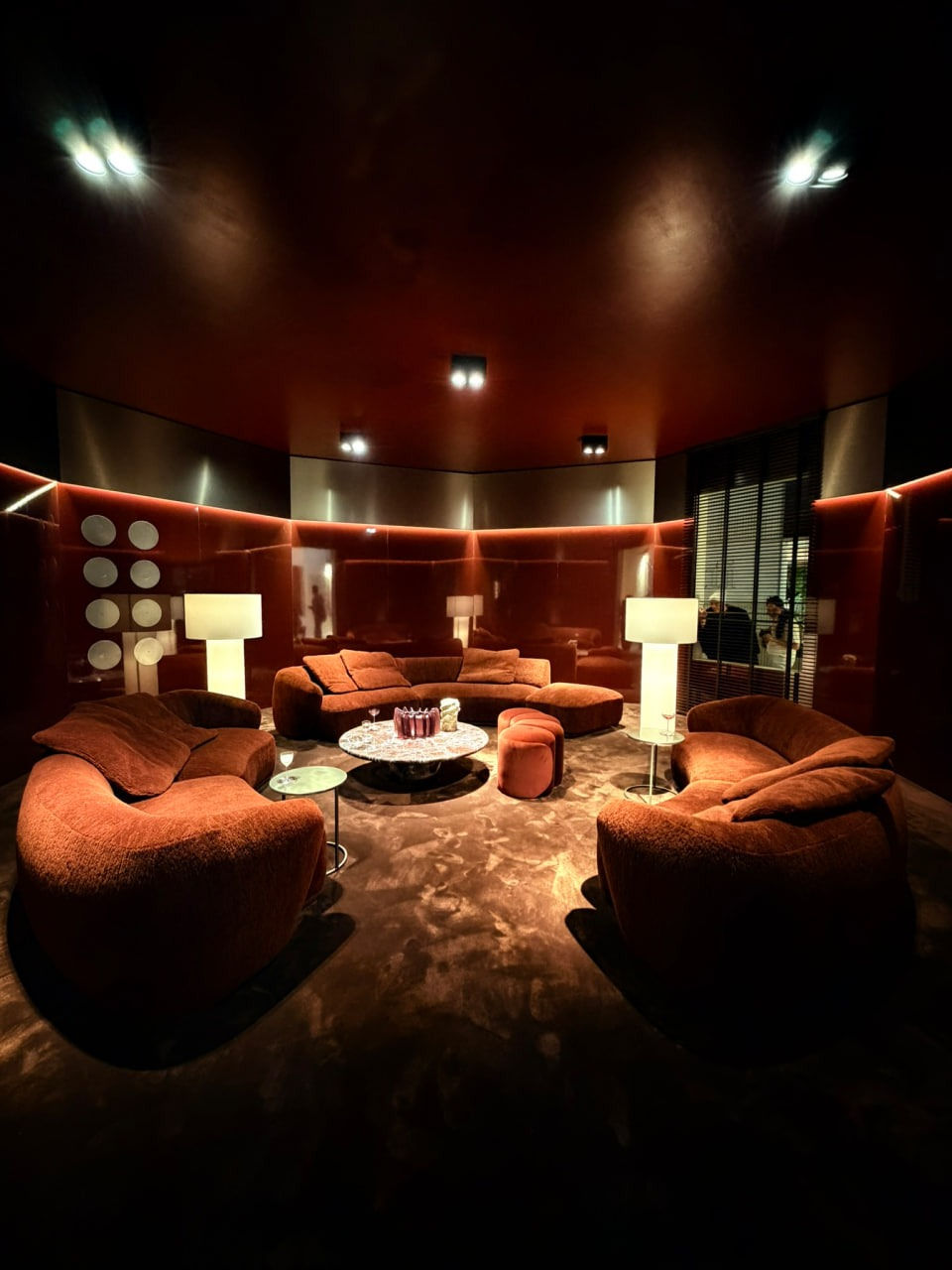

One issue became difficult to ignore after several days moving through the exhibitions. The visual language associated with contemporary luxury is beginning to compress into familiarity. Earth toned palettes, rounded forms, woven textures, amber lighting conditions, and handcrafted irregularity appeared repeatedly across many presentations. Several spaces carried strong editorial presence while revealing limited depth in operational planning, storage integration, and long term residential functionality.

Comments